Anthropic Internal Systems Breached, Customer Business Contacts Affected
The security startup Cathedral got into Anthropic's internal systems through flaws in third-party business software. Anthropic says the access was limited and did not reach Claude conversations or source code.
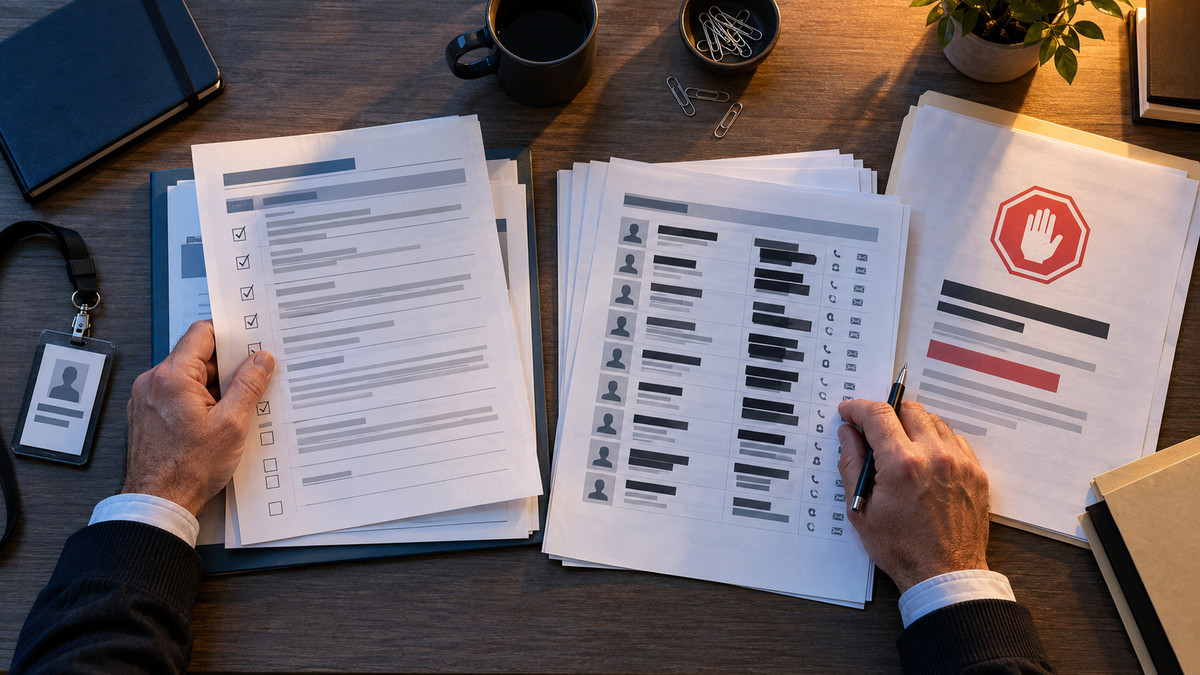
Researchers at the security startup Cathedral gained access to some of Anthropic’s internal systems. According to a Washington Post report, the researchers were taking part in an external security testing program when they found and exploited several vulnerabilities in business software that Anthropic uses from another vendor. Anthropic confirmed that there was access to a limited slice of its sales, HR, and IT systems.
How far did they get in 12 hours?
Cathedral claims that within 12 hours of turning its AI loose, it had found a path to internal material. The claim appears in a draft report reviewed by the Washington Post. The researchers said they used AI agents, software that carries out tasks on its own.
The material cited in the draft report includes meeting notes, salary and job offer information, and internal messages discussing advanced models. Cathedral said it had secured access paths leading to this kind of material.
Anthropic and Cathedral disagree over how the testing was done and what the incident means. Anthropic argues that Cathedral overstated the national security implications. It also said Cathedral did not disclose all of its activity inside the systems, and so did not fully comply with the rules of the security testing program. In its draft report, Cathedral said it minimized how much material it accessed.
Were Claude conversations exposed?
Anthropic said the researchers did not gain access to conversations between customers and Claude. Source code and model weights, the core data that captures what a model has learned, were also not among the things accessed, the company said.
The systems that were accessed did, however, contain business contact information for some customers and partners. They also contained basic user account records, Anthropic said.
How did Anthropic shut it down?
Anthropic said it detected some of the activity before Cathedral reported it, and cut off access the same day. It resumed using the software in question after confirming that the vendors had patched the vulnerabilities. Anthropic’s position is that there is no evidence anyone other than Cathedral exploited the flaws.
The incident is a case of vulnerabilities in third-party business software leading to access to an AI company’s internal systems. The open questions from here are whether customers in Korea fall within the scope of the impact, and exactly how much material was actually viewed.