Research Team Including Google Releases Benchmark for AI That Knows When Users Need Help
GUIDE, a new benchmark from a research team including Google, measures how well AI understands what users are doing and why. Across eight models, the best accuracy at choosing the right kind of help was 55.0%.
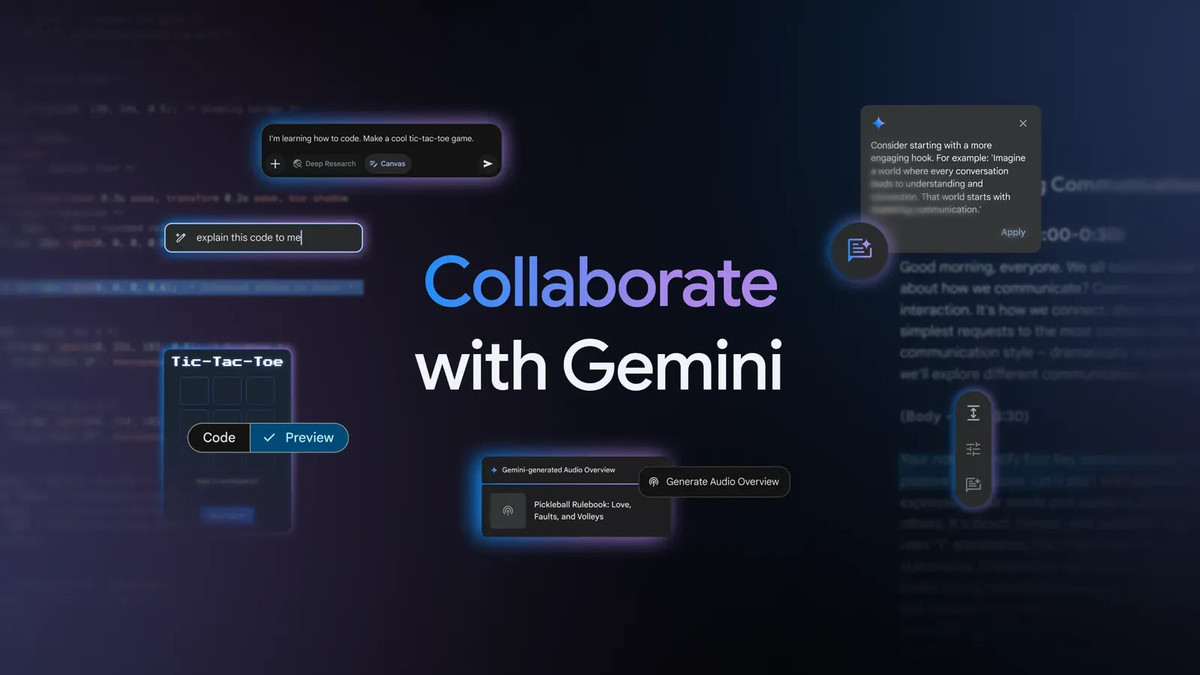
A research team that includes Google has released GUIDE, a benchmark that measures how well an AI can look at a screen and judge whether the person using it needs help. It evaluates whether the model can tell what the user is doing right now and what they are trying to accomplish. The work was published as a CVPR 2026 paper, and the accompanying research dataset was released alongside it.
Can a model infer intent from the screen alone?
GUIDE tests a model’s ability to understand the user’s working context. The model watches a segment of screen video and judges the user’s activity state and immediate goal. It then decides whether help is needed and, if so, which kind of help to offer. In short, it is a test of whether an AI can recognize the right moment to speak up while a person is in the middle of a task.
The evaluation material consists of 120 recorded task demonstrations by novice users. Combined, the screen recordings cover 10 software applications and run 67.5 hours. While collecting the data, the researchers had participants narrate their own thinking out loud. That narration was withheld from the models being evaluated. The models have to judge from on-screen cues alone, without hearing what the user is thinking.
How is this different from task automation?
Earlier screen-based AI research has focused on automating work through clicks and keystrokes. GUIDE instead addresses situations where the user stays in the driver’s seat. The yardstick shifts as well, from how well an AI can finish a task on the user’s behalf to how well it understands what the person is trying to do and when they need help.
Source: Google (press release)
How did the eight models score?
The researchers evaluated eight models that handle text and images together. The lineup included models from the Gemini, GPT, Claude, and Qwen families. The best accuracy at identifying the user’s activity state was 44.6%. The best accuracy at choosing which kind of help to offer was 55.0%. The researchers noted that no single model posted high accuracy across every evaluation category. In other words, reading a user’s situation and picking the right form of assistance remains a hard problem.
When the models were told the user’s activity and intent in advance, their help-related predictions improved. According to the researchers, accuracy rose by as much as 50.2 percentage points under that condition. What separated good and bad help decisions was not just recognizing the visible actions on screen, but grasping the purpose behind them.
When will this reach products that help with real work?
What has been released here is a research dataset. There is still no word on a release date or price for a consumer product built on it, nor on plans for a Korean launch or Korean-language support. When and at what cost users in Korea could put this to work remains for a future product announcement.
GUIDE establishes a standard for measuring the kind of understanding an AI needs in order to assist a user’s work. Its experimental scope is limited to recorded sessions by novices across 10 software applications. Whether models can correctly judge the need for help, and the form it should take, for users at different skill levels and in real time remains to be seen.